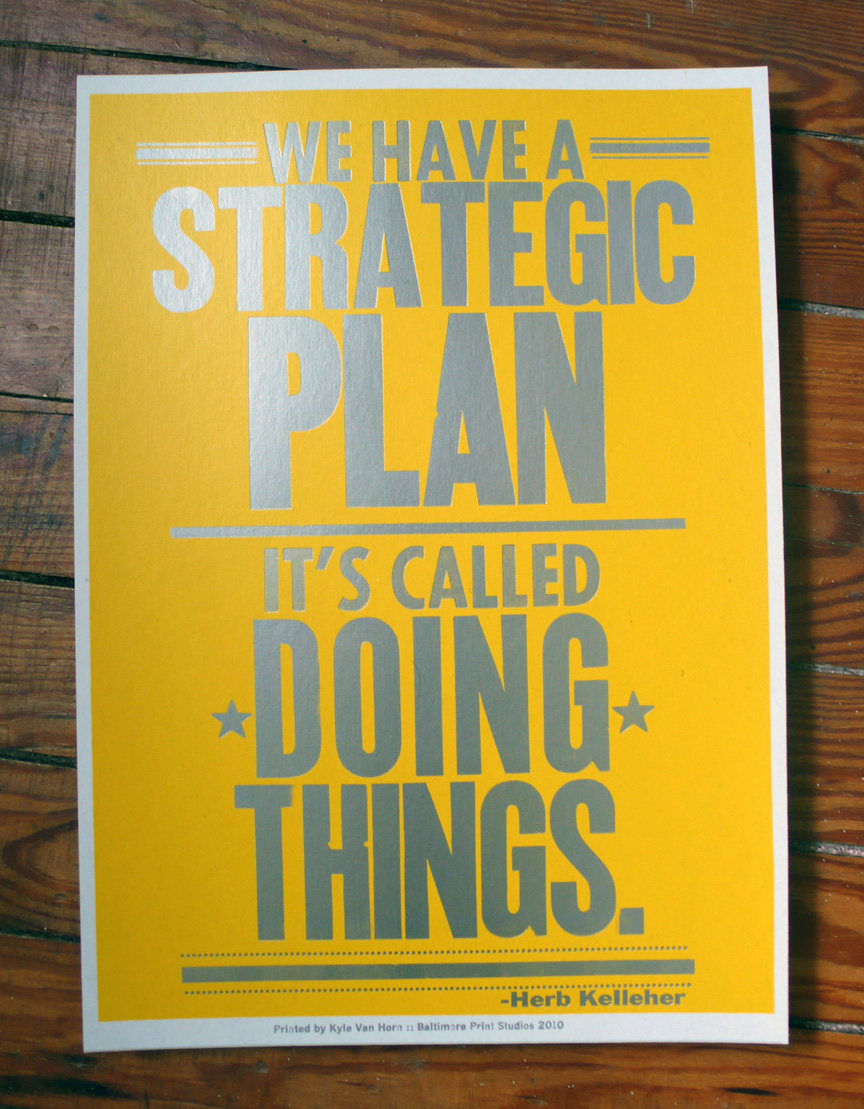
Plan For Success And Success Will Follow, Hope For Success And You Will Wallow!


Hoping and wishing for success will not make a plan on it’s on. True success in life comes from making and carrying out a plan. Outline some small action steps in a written format, set milestones, attach measurable outcomes and be flexible to change. Using a formatted process allows for transformation be realized.    


The difference between success and failure can be as simple as one step forward. Taking action, no matter how small, can increase your chances of success exponentially. Here are some tips that can help you make change that will last:


  • When making a plan, don’t over complicate it. People have a tendency not to do anything because they are overwhelmed by the prospect of writing a plan down on paper. Start small,  it can be as simple as finding a mentor, signing up for a class or organizing your tax receipts for two hours each day. If you have positive expectations you will accomplish what you set your mind to.
  • Rid yourself of pessimism and at the same time set up milestones that reaffirm your progress. For example, by March 1, I will lose five pounds. Then visualize yourself five pound lighter. Along the way, acknowledge your small successes and reward yourself. By seeing and imagining can create the outcome you desire.          
  • If your plan is not working, be flexible and change direction. Don’t keep repeating the same action steps and hoping for a different outcome. Change your course and continue to focus your efforts on what is working. When you see results they will motivate you to continue. Adopt the mindset; failure is not an option. A sports team doesn’t take the field anticipating failure, they play to win. If you don’t see failure as an option you will win too. If you plan properly, take action, and visualize success you will achieve your goals in 2012!

 Jodi Cross is a marketing consultant, speaker and freelance writer and may be reached at jcross@crossnm.com or www.www.crossnm.com



How To Develop a Business Plan


Writing a business plan can be a daunting task. Just like anything else in life, a plan is an essential tool for success. We have all witnessed an under capitalized business shutter up soon after opening. A business plan should tell a compelling story about what you do and why consumers would want to buy your service or product. A good plan is a living document that shows viability and growth and should be updated on regular basis. There are multiple websites and templates on the internet that help organize the process. In addition, the Small Business Association (SBA) offers some good resources to guide you through your journey.


There are various types of  business plans used for different stages of growth. Stages include; start-ups, post launch, line of credit needs and expansion & growth. Determine what stage of your business lifecycle you are facing and tailor your plan accordingly. Consider the audience, are you looking for investors, partners, stakeholders or a line of credit?  Regardless of your lifecycle, a business plan sets you up for success.  


Business Plans should answer a litany of what, who, why and how questions:

  • What is the problem that your business is solving?
  • Why do consumers want your product or service?  
  • What are your key features?
  • How much capital is required?
  • What challenges could impede growth?
  • What is your Unique Selling Proposition (USP)?

 These questions should be answered in sections and clearly articulated for the reader to understand and process. Whether looking for capital or seed money,  defining business objectives and goals in a logical and disciplined way will make the difference between success and failure.  There are several standard sections that must be included, the outline provided illustrates a framework to get started. 


The business plan framework is very simple, and outline in this graphic:

The Final Steps:

8. Funding

Why should a bank or investor help you? How much do you need? When will you be able to pay it back? What is the investor going to get out of the deal?

Key Inclusions & FAQ’s

  • How long will the cash or requested funding you receive last? What will it cover in terms  of growth. What type of funding are you requesting? Debt, Equity, Angel?

9. Appendix

This is an as needed section but you should have it organized in case a lender asks.  

Key Inclusions & FAQ’s

  • Include legal paperwork, letters of reference, customer testimonials, permits, contracts, leases, attorneys, accountants and your business manager.

Now that the framework is in place, start writing and don’t stop until the plan is done. When presenting to investors tell a story that sells your business idea simply and succinctly.  Describe how you make money and what the best thing about your product or service is. The foundation you establish today will be rewarded tomorrow.

Sources: Sba.gov


High Performance Public Relations: Getting the most out of your PR Agency


Public Relations can be hard to measure, expensive to maintain and difficult to sustain. So how do you select the right agency for your business objectives and keep the stories coming? Public Relations deals with intangibles such as ideas and words. Those ideas come to life through articles, influence spheres on social media, blogs, broadcast media and digital information streams. A well-orchestrated Public Relations campaign can be great for your image and enhance your overall marketing efforts.

Selecting the Right Firm

When selecting a firm think in terms of a partner. Do your research. Does the firm have a good reputation? Do they understand your business? Do they have other clients in the same category? Ask a few editors to recommend a firm. If you have a PR firm in mind, ask the editors for their opinion. Believe me, they won’t be shy about sharing their feedback with you. Before you make your final decision, ask to meet the team. I remember being very impressed with the senior partner who pitched us but when it came down to meeting the account executives they were very inexperienced and new to the firm. Delve a little deeper before you judge and find out if the account person has been on your side or the editors’ side of the business. If you see new faces to frequently and your account executive changes every year, consider billing your firm for training fees. Keep in mind, the right firm will be excited about your business and be thrilled to work with you.

You found the perfect firm, now what? You have your perfect match and you’re ready to go.

• Be sure to provide a comprehensive background on your company. Include your marketing objectives, key initiatives, business mix and target audience demographics to your firm. The more they know the quicker they can start to conceptualize ideas.

• Manage the process. Feed them good ideas, stay in contact and set up regular reporting and meeting schedules. Don’t over emphasize status updates. Monthly reports, bi-weekly calls and quarterly strategy sessions are good benchmarks. Don’t waste precious time on updates the focus should be on outreach efforts.

• Ask for candid feedback. If you firm tells you it isn’t newsworthy count that as a good sign. You don’t want to be wasting time on idea’s that won’t get any traction.

• Monitor results. Don’t confuse round up story with feature stories. Is your firm getting you key placements with your defined target audiences? Snooki’s blog may appear in the monthly round up report but is that what your customer cares about? Provide a dedicated PR phone number for placements so you can see tangible results, give the PR agency unique URLs to go with specific packages and monitor your analytics for results and social media for engagement.

• Regroup, repurpose and review. Check to make sure you are communicating efficiently and effectively. Communication is a two-way street. If you haven’t received any ideas or suggestions from your PR firm in a few weeks, find out why. Is your account executive able to repurpose stories for multiple use? They should be able to pitch key angles to horizontal, regional and international publications. Do they post on social media on a regular basis to get more spin on key placements? Once you have a long term relationship established review expectations, establish new goals and recap wins. If you have invested $50,000-$75,000 in PR and haven’t had a front page cover story, ask why.


Amping Up Your Positioning

 Amping Up Your Positioning

By: Jodi Cross

Recently I heard an interview with Brian Cornell, Targets new CEO about how he plans to reposition the retail giant moving forward. Mr. Cornell, stated that Target was “going back to the basic core values” that made Target a success. Target will once again deliver on their brand promise and tagline, “Expect More, Pay Less and strive to cool again.”  In the interview, Cornell specifically mentioned the brand pillars that made Target a success. They included; trends and fashion, design and style, wellness solutions and customer service.  Under the former CEO, Target appeared to have lost focus and tried to compete with Walmart on price and the addition of an expanded grocery product line. 

I am not only a brand marketer but I am a consumer and I shop at Target. Cornell’s comments were music to my ears. This brings me to the power of brand positioning.  Brands like Target create a relationship with their customers. Their pillars and tag line underscore the brand promise and clearly communicate points of distinction that the consumer can relate to.

At CNMI, we have worked with a multitude of brands to develop value propositions, create long-term advantages and target key customer markets to build and grow revenues.

Here are some insightful questions we use to help define our client’s positioning;

  • What do you want your brand to be known for among your target audience? Do you own that positioning?
  • What advantage do you have over your competition?  
  • Does your brand position match your companies KPI’s and vision?
  • Are your branding goals realistic and attainable?
  • Does your brand relate to the consumer on an emotional level?
  • Does your brand positioning contribute to long-term growth?

To determine the answers to these crucial questions, CNMI conducts a collaborative stakeholders meeting during which we come to mutually agreed upon conclusions and action items. Then we work toward crafting a positioning for your product and/or service.

Here are some key elements to consider when crafting your positioning;

  • Your positioning should differentiate your brand from the competition. The differential cannot be based solely on price or service.
  • Consumer perceptions should play a key role in crafting your position.
  • Consider your audiences, a positioning needs to add value for both consumers and stakeholders.
  • Your brand position must be believable and consistent in all areas.
  • Your product or service position should be easy to communicate and difficult to mimic.
  • Your positioning should match your personality and image and be sustainable over a long-term business cycle.

There are many brands who have gone to or are heading toward the branding graveyard. Radio Shack, Kodak and Blockbuster come to mind. I predict Target will make a strong come back!

If you are interesting in refining or developing your brand positioning, gaining greater market share or driving revenues, contact Jodi Cross at CNMI. We may be reached at jcross@crossnm.com or visit www.www.crossnm.com for more great marketing ideas.  


Reputation Management

Today’s consumer is discriminating and demands excellent service. If your company doesn’t deliver on your brand promise, they will let the entire world know about it. So what do you do to manage a negative perception and boost your on-line reputation?

Root Cause- you must address the root cause of the problems. To get an understanding of what is going on behind the scenes, conduct a social media audit. Look at multiple platforms and review sites such as Yelp, Trip Advisor, Twitter and any other sites that impact your business. Review the comment and bucket or categorize them into common cause areas. This exercise will show you the pain points. Perhaps you have shipping complaints, cleanliness or quality issues or poor customer service comments. Next, prepare to address the various deficiencies with the appropriate division heads.

Leverage Staff Buy-in-once you have your bucket list complete, assemble your team. Run through the exercise showing the buckets and common complaints. Have an open conversation to determine if you need to adjust written standards, define if job tools are missing or set up new training protocols.  Create a plan that starts with stakeholder buy in and accountability. The end game is to deliver excellent quality. Once the stakeholder team has developed an actionable plan, take it to the staff in the form of a We Can Do It meeting. Then monitor results weekly and monthly for progress.

Ask your guest to write review. Now that you have presumably turned a corner, don’t be shy about asking for reviews. If you know a particular customer has had a great experience ask them to comment. Send, thank you e-mails with links to review sites for easy access.

Good Quality and Quantity. Build up your positive reviews and your popularity rating will improve.  Many of the sites work off an algorithm system for prioritizing. Remember, you’re only as good as your last review, so keep up the accountability on the back-end.

Senior Managers should respond to negative reviews.  Use the process to help identify ongoing customer issues and pain points. I know several managers who do an audit quarterly just to learn about operational deficiencies.

For a complete Social Media strategy and tactical marketing deployment suggestions contact; jcross@crossnm.com


Is Your Team Running On All Cylinders?

Team effectiveness can make or break your business. Are you getting the most out of your team? How can you tell?

By doing a team assessment, that’s how. There are eighteen crucial areas that will help determine how effective your team is today. Unfortunately, I can’t list them all in a single article but I can give you a few tips that can help get you started.

  1. How would you assess the level of cooperation between members of the team?
  2. Does information flow freely within your organization?
  3. Is creativity encouraged and rewarded?
  4. How are conflicts handled? Are they fully discussed and resolved or put on the back burner?
  5. How do you support one another? Is praise given and encouraged?
  6. Do you subscribe to an open environment where people are allowed to speak their minds or is there fear of reprisal?
  7. Do team members trust one another?
  8. Do people have pride in their jobs and accomplishments?

Do any of these issues resonate with you? You can’t run a productive business without a solid team. In today’s market place we need to be as competitive as possible. The workload continues to increase, while our human resources seem to be depleted. 

Don’t run the risk of burning out your team. Pay attention to their needs and your company will proper, ignore their needs and you could be headed for trouble.


Planning Overtakes Procrastination


Planning Overtakes Procastination

By: Jodi Cross

Check Mate! I have declared war on procrastination! The piles have been building for months and my “to do” lists have a list of their own but nothing seems to get done. The key to ending the madness is planning.


Start by organizing your to-do lists and make priorities:

Make a list and write items down in categories

  • Breaking things into Personal or Professional action items

Prioritize 

Think of issues as:

  • Critical-these are things that must be done in an urgent time frame or their will be consequences.
  • Important-these items are action that must be taken but there are not   urgent consequence.

Layout tasks on your actual calendar

  • Schedule action items into small tasks.
  • Set deadlines and stick to them.

Avoid getting caught in the perfect trap 

  • Perfectionists can be the biggest procrastinators of all, it is part of their winning formula. Instead focus on progress.

Minimize Interruptions and distractions

  • Set a time to get projects done. Check your emails during certain windows during your day to avoid distractions.
  • Compartmentalize work flow and return calls later. Stays focused on projects and see them through. Once a task is completed check your email list and return your calls during set times throughout the day. This will make your time more productive.

Build in rewards

  • Think about big and small rewards you can give yourself if you finish a project.
  • Use positive, pleasurable outcomes to motivate you to complete a project.

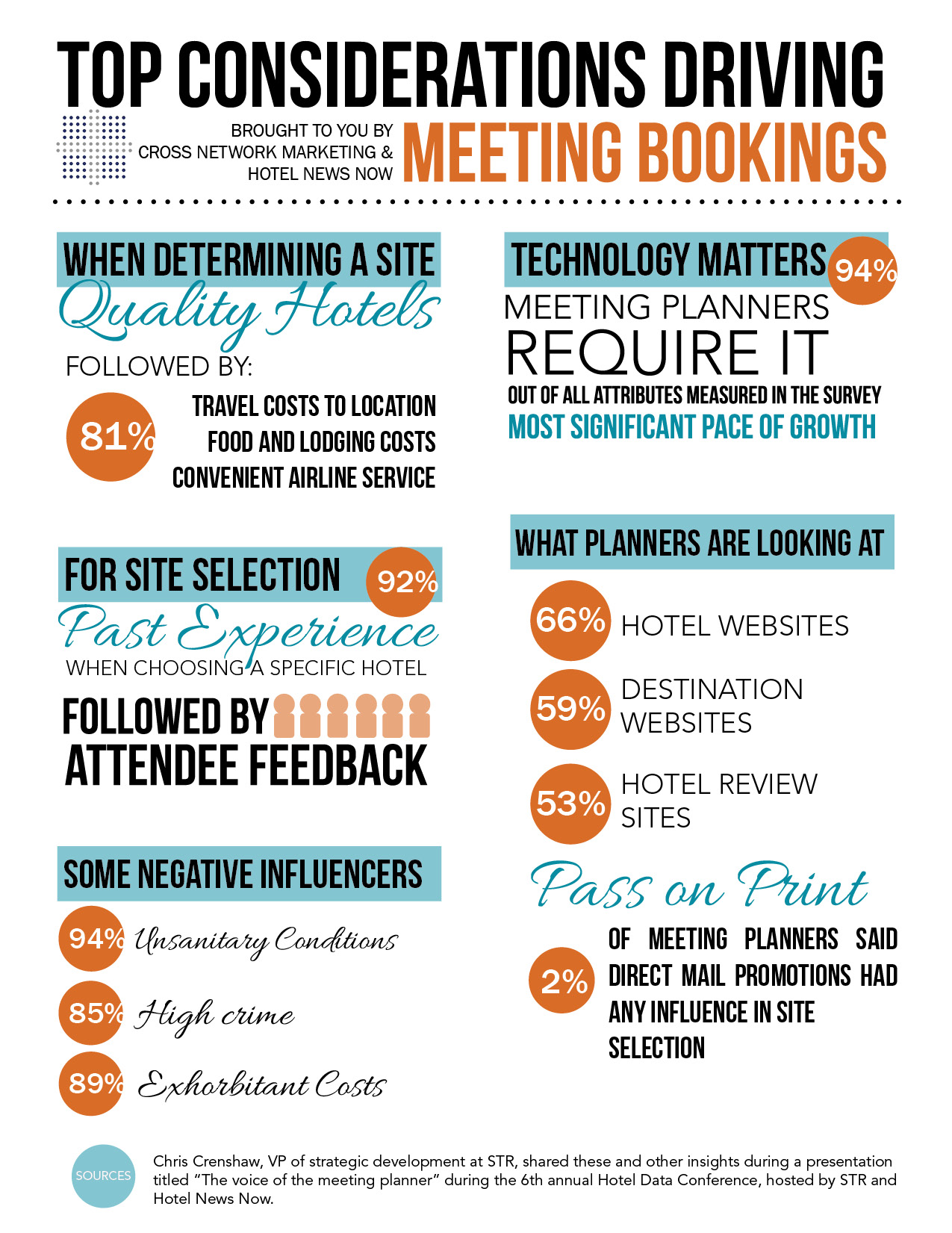
Top Considerations Driving Meetings Bookings

Past experience was the No. 1 factor (at 92%) when choosing a specific hotel within the broader market or destination – See more at: http://www.hotelnewsnow.com/article/14277/5-considerations-driving-meetings-bookings#sthash.YhReQY5P.dpuf


Page 3 of 5<12345>